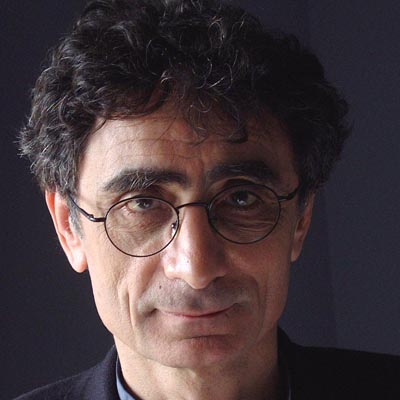



In the Realm of Hungry Ghosts
Close Encounters with Addiction
Gabor Maté, M.D.
Based on Gabor Maté's two decades of experience as a medical doctor and his groundbreaking work with the severely addicted on Vancouver's skid row, In the Realm of Hungry Ghosts radically reenvisions this much misunderstood field by taking a holistic approach. Dr. Maté presents addiction not as a discrete phenomenon confined to an unfortunate or weak-willed few, but as a continuum that runs throughout (and perhaps underpins) our society; not a medical "condition" distinct from the lives it affects, rather the result of a complex interplay among personal history, emotional, and neurological development, brain chemistry, and the drugs (and behaviors) of addiction.
|
A Personal Aristocracy
Cultivating the Power of Spiritual Nobility
True Blue Indigo
Taking Renaissance values and philosophy as its starting point, A Personal Aristocracy crisscrosses traditional terrain left untouched by most New Age and liberal writers. But unlike those who use Western civilization and aristocratic values to advance a backward-looking agenda, author True Blue Indigo—an off-the-grid roamer with an iPhone, Indian-Hippie with a love of Italian Renaissance ideals, and itinerant scribe—has an expansive purpose in mind: to offer a tonic for the pervasive rudeness and self-absorption of modern culture. He gives those interested in New Thought, consciousness, and spiritual growth a fresh perspective on classical values, encouraging them to explore beauty and graciousness that surpass the old forms by imbuing the best of the secular with spirit.
|
Shadow Yoga, Chaya Yoga
The Principles of Hatha Yoga
Shandor Remete
Focusing specifically on the hatha tradition, Shadow Yoga, Chaya Yoga delves deep into original Sanskrit texts, explaining the theoretical foundation of yoga in clear, encouraging language. Remete describes the "shadows" noted by classical yoga teachers that block the student, and shows ways to move beyond them. The book covers the key concepts of traditional yoga—the marmas, chakras, vayus (sources of energy), and nadis (flows of energy through the body)—before turning to the yogic techniques that improve their condition and functioning—asana (poses), nauli (abdominal exercises), pranayama (breathing), mudra (gestures), and laya (absorptions). It closes with illustrated sequences of the most important asanas.
|
NeuroKinetic Therapy
An Innovative Approach to Manual Muscle Testing
David Weinstock
NeuroKinetic Therapy is based on the premise that when an injury has occurred, certain muscles shut down or become inhibited, forcing other muscles to become overworked. This easy-to-follow practitioner's manual presents a series of muscle tests specially designed to uncover and resolve compensation patterns in the body. Author David Weinstock begins by explaining how this approach stimulates the body and mind to resolve pain. Organized anatomically, each section of the book includes clear photographs demonstrating correct positioning of the muscle accompanied by concise explanations and instructions. Labeled anatomical illustrations appear at the end of each section showing the relationships between the muscles and muscle groups. This essential resource is especially useful for physical therapists, chiropractors, orthopedists, and massage therapists looking for new ways to treat underlying causes of pain.
|